
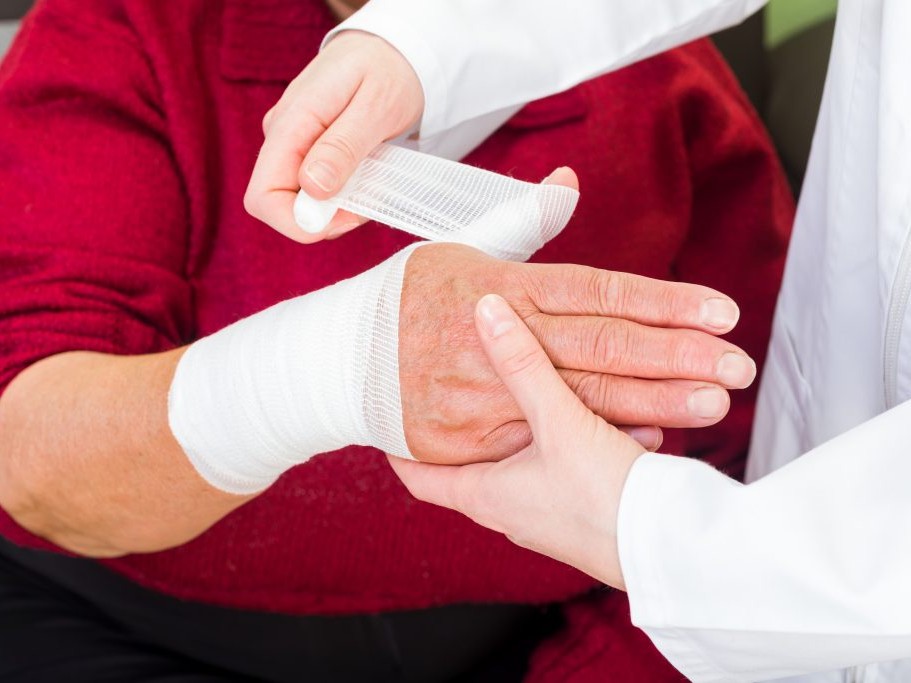
When you or a loved one experiences a wound—whether it’s a minor cut, a surgical incision, or a pressure sore—knowing how to care for it at home is essential for healing and comfort. At AA Wound Care, we understand that proper wound management doesn’t always begin or end at a clinic. That’s why we’re committed to helping patients and caregivers feel confident in managing wounds safely and effectively at home.
Why Home Wound Care Matters
Home-based wound care can:
- Speed up recovery
- Reduce infection risks
- Lower the need for hospital visits
- Improve overall comfort and independence
However, the type of wound and individual health conditions play a crucial role in determining the best care approach.
Common Types of Wounds Treated at Home
- Minor cuts and abrasions
- Post-surgical wounds
- Pressure ulcers (bedsores)
- Diabetic foot ulcers
- Venous leg ulcers
Always consult a medical professional before beginning at-home treatment for chronic or complex wounds.
Key Wound Care Options at Home
1. Cleaning the Wound
- Use saline or mild soap and water.
- Avoid hydrogen peroxide or iodine unless directed by a healthcare provider.
- Always wash your hands before and after wound care.
- Use saline or mild soap and water.
2. Applying Dressings
- Choose the right dressing (gauze, hydrocolloid, foam, or alginate) depending on the wound type.
- Change dressings as recommended, typically once a day or when soiled.
- Keep the area moist—not wet—for optimal healing.
3. Monitoring for Infection
Watch for signs such as:
- Redness or swelling
- Foul odor
- Increased pain
- Pus or unusual drainage
- If any of these occur, contact your healthcare provider immediately.
- Redness or swelling
4. Managing Pain and Swelling
- Use over-the-counter pain relievers as advised.
- Elevate the affected area to reduce swelling.
- Follow all wound care instructions carefully to minimize discomfort.
- Use over-the-counter pain relievers as advised.
5. Nutritional Support
- Stay hydrated and eat protein-rich foods to support tissue repair.
- Consider supplements like Vitamin C and Zinc, with your doctor’s guidance.
When to Call a Professional
If you’re unsure about how to care for a wound or notice signs of complications, don’t hesitate to reach out. AA Wound Care offers in-home consultations and expert wound assessments to ensure your healing journey stays on track.
How AA Wound Care Can Help
Our experienced team provides:
- Personalized wound care plans
- Professional home visits
- Education for family caregivers
- Support for chronic wound conditions
We believe that healing begins with the right care, right where you are—at home.