
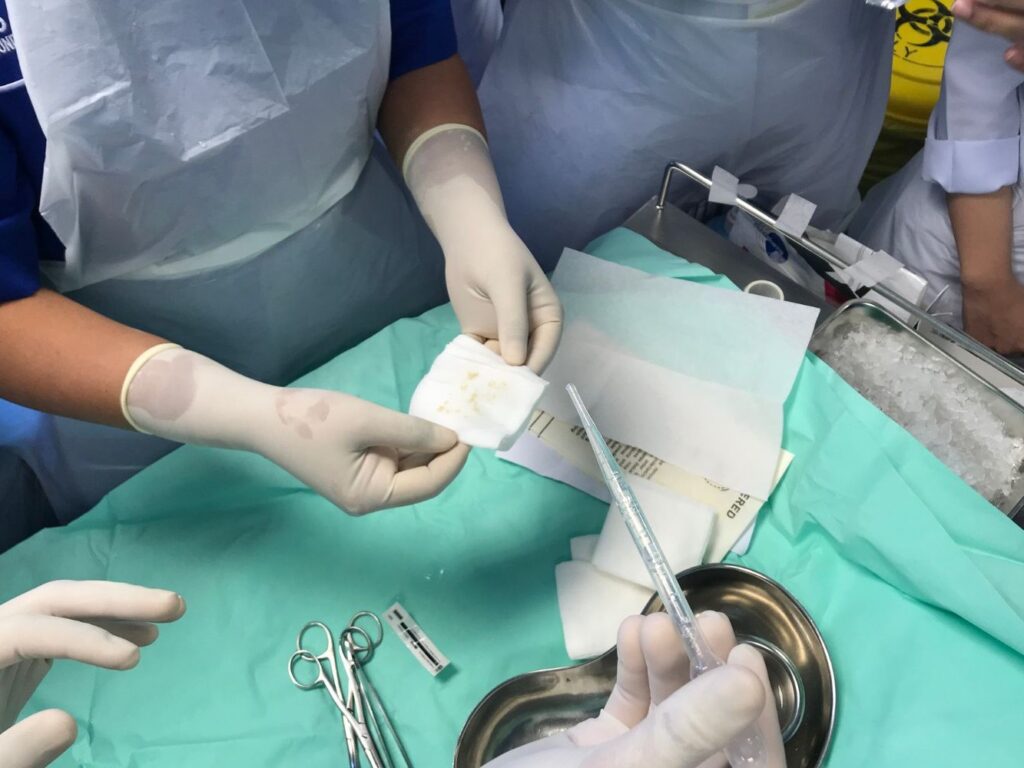
Debridement: Why “Cleaning Out” a Wound Is So Important
When it comes to wound healing, one of the most critical yet often overlooked steps is debridement—the careful removal of dead, damaged, or infected tissue from a wound. At AA Wound Care, we emphasize this step because it sets the foundation for proper healing and reduces the risk of complications. But what exactly is debridement, and why is it so important? Let’s explore.
What Is Debridement?
Debridement is a medical procedure used to “clean out” a wound. This doesn’t just mean rinsing the wound surface—it involves removing tissue that is no longer viable, such as dead skin, necrotic (blackened) tissue, or infected material. By clearing away this barrier, the wound bed is better prepared to heal.
There are several types of debridement, including:
- Surgical or sharp debridement – using surgical instruments to quickly remove unhealthy tissue.
- Enzymatic debridement – applying special ointments that break down dead tissue.
- Autolytic debridement – harnessing the body’s natural enzymes through dressings that keep the wound moist.
- Mechanical debridement – gentle physical methods such as wound irrigation or specialized dressings.
The right approach depends on the wound type, size, and overall health of the patient.
Why Is Debridement So Important?
Dead tissue in a wound isn’t just “in the way.” It can actually cause serious problems if not addressed. Here’s why debridement is essential:
- Prevents Infection
Dead tissue provides a breeding ground for bacteria. Removing it lowers the risk of infection and promotes a cleaner healing environment.
- Speeds Up Healing
Healthy tissue can’t grow where dead tissue is blocking it. By clearing the wound bed, new cells can form and healing can progress more efficiently.
- Reduces Complications
Without debridement, wounds can worsen, leading to chronic non-healing ulcers, systemic infections, or even amputation in severe cases.
- Improves Treatment Effectiveness
Treatments like wound dressings, antibiotics, and advanced therapies work better when the wound is properly cleaned and prepared.
Who Needs Debridement?
Not all wounds require debridement, but it is often necessary for:
- Diabetic ulcers
- Pressure sores (bedsores)
- Venous or arterial ulcers
- Traumatic injuries with contaminated tissue
- Post-surgical wounds with poor healing
If a wound is not healing as expected, shows signs of infection, or contains visible dead tissue, debridement may be recommended.
The Role of Professional Care
Attempting to clean a wound at home is not the same as medical debridement. At AA Wound Care, our specialists carefully assess each wound to determine the safest and most effective debridement method. We ensure comfort, reduce risks, and set the wound up for the best possible healing outcome.
Final Thoughts
Debridement may sound intimidating, but it is one of the most important steps in wound care. Think of it as “resetting the stage” for healing—removing what doesn’t belong so the body can focus on repair. With proper debridement and expert wound management, healing becomes faster, safer, and more effective.