
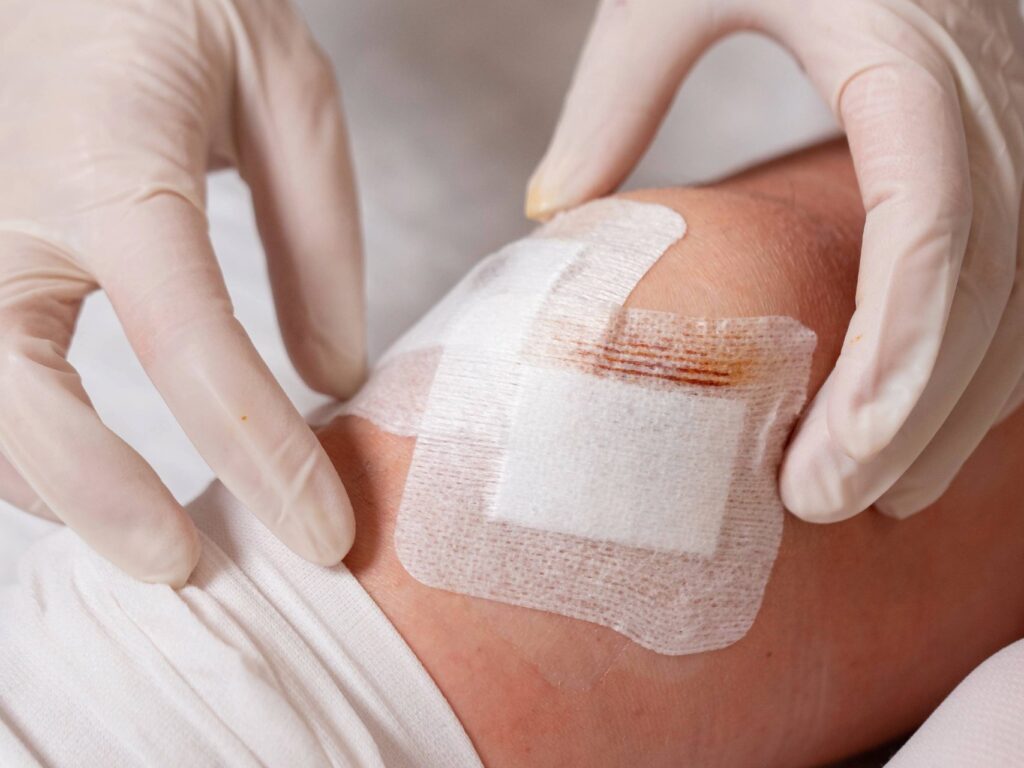
Chronic and difficult-to-heal wounds can dramatically impact a person’s comfort, mobility, and overall health. When standard wound care doesn’t lead to improvement, clinicians may consider advanced treatments—including skin grafting or other biologic tissue therapies.
But not every wound is ready for a graft right away.
At AA Wound Care, one of the most important parts of advanced care is evaluating whether a wound is “graftable.” Understanding what makes a wound eligible helps patients know what to expect in their healing journey.
What Does “Graftable” Mean?
A graftable wound is one that has the right conditions for a skin graft or biologic tissue product to attach, survive, and start rebuilding healthy tissue.
Essentially, the wound must be:
- Clean
- Well-vascularized (good blood supply)
- Free from infection
- Appropriately prepared through debridement and moisture control
If a graft is placed too early—before the wound is ready—it may fail, prolonging healing and increasing costs and discomfort.
Key Requirements for a Graftable Wound
1️⃣ Adequate Blood Flow
Healthy circulation ensures oxygen and nutrients reach the graft. In patients with venous disease, diabetes, or arterial blockages, circulation may need to be restored first.
How we assess:
- Doppler or vascular studies
- Pulse checks
- Temperature and skin appearance
2️⃣ No Active Infection
A graft cannot survive in an environment full of bacteria.
Signs that delay grafting:
- Odor
- Pus or drainage
- Increased redness/swelling
- Fever or pain
Treatment might include antibiotics, antimicrobial dressings, or surgical debridement before grafting.
3️⃣ Healthy Wound Bed (Granulation Tissue)
A red, “beefy” wound bed shows good healing progress.
If there is:
- Necrotic (dead) tissue
- Excess slough
- Dry wound environment
…the wound bed needs more prep before grafting.
4️⃣ Controlled Swelling & Moisture Balance
Too much fluid can lift a graft off the surface; too little dries out cells needed for healing.
We often use:
- Compression therapy (especially for venous wounds)
- Advanced dressings to maintain moisture balance
5️⃣ Manageable Size & Depth
Very deep or large wounds may require staged grafting or additional tissue support first.
Conditions That Often Benefit from Grafting
Common wound types that may be eligible include:
- Diabetic foot ulcers
- Venous leg ulcers
- Pressure injuries (after reduction of pressure source)
- Traumatic or post-surgical wounds
- Burns
When a Wound Isn’t Graftable Yet
If a wound isn’t ready, that doesn’t mean it won’t ever be.
AA Wound Care focuses on wound bed optimization, which may include:
- Serial debridement (removing dead tissue)
- Infection control
- Offloading for pressure injuries
- Compression for leg ulcers
- Nutritional support for healing
- Blood flow improvement via vascular referral if needed
👨⚕️ The goal is to create the right environment — and then graft at the optimal moment.
Why Patients Choose AA Wound Care
- Personalized treatment plans
- Experienced wound care specialists
- Access to advanced biologic graft technologies
- Holistic approach to circulation, nutrition, and comorbid conditions
- Focus on comfort, mobility, and quality of life
- We partner closely with patients, caregivers, and referring physicians to support the best outcomes.
Wondering If Your Wound Is Graftable?
Every wound—and every patient—is unique. Early evaluation is key to avoiding complications and accelerating healing.
📍 Request an assessment at AA Wound Care
We’ll determine if your wound is graft-ready or help you get there with expert guidance.